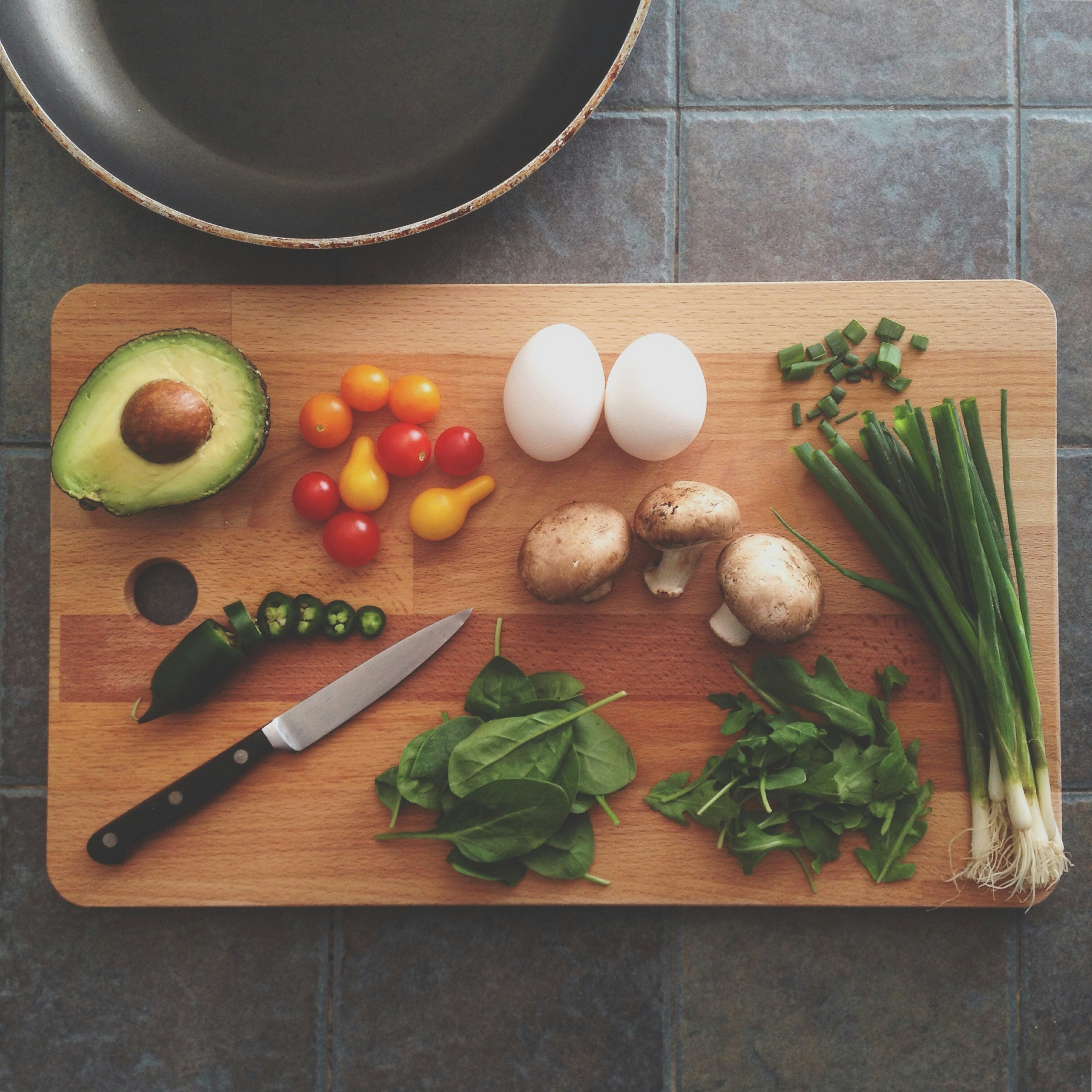
In today’s fast-paced world, a weekly meal plan can be a game changer for your health and well-being. Planning your meals not only saves time and money but also helps you make healthier choices, catering to your dietary needs and preferences.
The Importance of Planning
Meal planning serves as a roadmap for your week, making grocery shopping more efficient and reducing food waste. By taking the time to plan, you can ensure you’re eating balanced meals that align with your nutritional goals. Whether you’re aiming to lose weight, gain muscle, or simply eat healthier, having a structured plan makes it easier to stick to your objectives.
Addressing Dietary Needs and Preferences
One of the first steps in meal planning is assessing your dietary needs. Consider any allergies, intolerances, or specific dietary lifestyles you or your family follow—be it vegetarian, vegan, gluten-free, or keto. Understanding these needs allows you to create meals that not only nourish your body but also satisfy your taste buds. For example, if you’re vegetarian, you might focus on protein-rich foods like beans, lentils, and quinoa.
Weekly Meal Examples
To help you get started, here’s a simple weekly meal plan example:
- Monday: Grilled chicken with quinoa and steamed broccoli
- Tuesday: Veggie stir-fry with tofu and brown rice
- Wednesday: Turkey chili with black beans and cornbread
- Thursday: Baked salmon with sweet potatoes and asparagus
- Friday: Spinach and feta stuffed peppers
- Saturday: Homemade pizza with a variety of toppings
- Sunday: Chicken and vegetable soup with whole grain bread
This plan incorporates a balance of proteins, whole grains, and plenty of vegetables, ensuring nutritional variety throughout the week.
Tips for Variety
To keep meals interesting, try these tips:
- Rotate Ingredients: Use a core set of ingredients and change their preparation methods or spices. For example, chicken can be grilled, baked, or sautéed with different seasonings.
- Explore New Recipes: Set a goal to try one new recipe each week. This not only expands your culinary skills but also adds excitement to your meals.
- Themed Days: Consider designating specific themes for certain days (e.g., Meatless Monday or Taco Tuesday) to simplify your planning process.
Tools and Apps for Meal Planning
Utilizing technology can streamline your meal planning. Here are some popular tools and apps:
- Mealime: This app allows you to create meal plans based on dietary preferences and generates a shopping list for you.
- Paprika: A recipe manager that lets you save recipes and plan meals, complete with a grocery list feature.
- Plan to Eat: This app helps you organize recipes, create meal plans, and build shopping lists from your planned meals.
In conclusion, creating a weekly meal plan can significantly enhance your eating habits. By considering your dietary needs, incorporating variety, and utilizing helpful tools, you can make meal prep an enjoyable and effective part of your routine. Start small, and soon you’ll find meal planning a breeze!
Leave a Reply