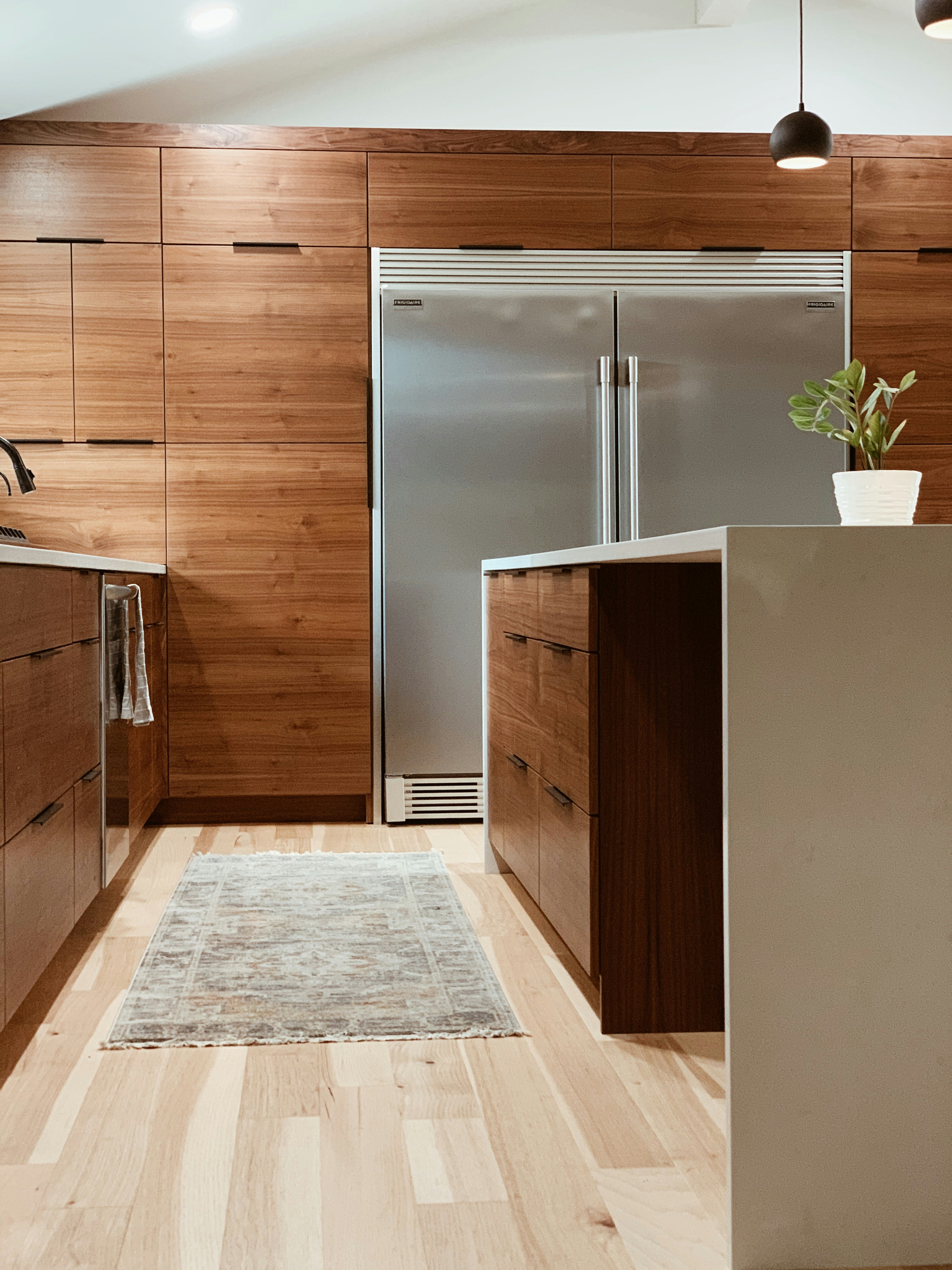
Choosing the right refrigerator is an important decision for any household. Not only does it need to suit your lifestyle and cooking habits, but it also has to fit within your budget and space constraints. With so many models available today, from basic fridges to high-tech, feature-packed options, it can be overwhelming to know where to start. Here’s a guide to help you make an informed decision when selecting the perfect refrigerator for your home.
1. Assess Your Needs and Space
The first step in choosing a refrigerator is evaluating your space and needs. Measure the area where the fridge will go to ensure it fits comfortably. Standard refrigerator sizes range from 24 to 36 inches in width, and 65 to 70 inches in height. Consider not just the width but also the depth, especially if your kitchen has a tight layout or narrow doors.
Next, think about your family’s size and eating habits. For a single person or couple, a smaller refrigerator (around 18-20 cubic feet) may suffice. Larger families typically need a fridge with 25-30 cubic feet of space or more. If you entertain often or store bulk items, you might want additional storage space, including deeper drawers or adjustable shelves.
2. Types of Refrigerators
Refrigerators come in various styles, each with unique features. Here are the most common types:
- Top-Freezer Refrigerators: These are the most traditional and affordable models. They have a freezer compartment at the top and fresh food storage below. Ideal for those on a budget or with limited space.
- Bottom-Freezer Refrigerators: These offer easier access to fresh food since the fridge section is at eye level. The freezer is at the bottom, which can be more convenient for those who use the fridge more than the freezer.
- Side-by-Side Refrigerators: These have a vertical split, with the fridge on one side and the freezer on the other. This design saves space and provides easy access to both sections but can limit the size of items you can store, especially in the freezer.
- French Door Refrigerators: These are among the most popular for larger households. They feature two side-by-side doors for the fridge section and a bottom freezer. French door models often come with additional features like water dispensers and ice makers.
- Compact and Mini Fridges: These are perfect for smaller spaces like dorm rooms or offices. While they lack the storage capacity of full-sized models, they can still hold essentials like beverages and snacks.
3. Key Features to Consider
When choosing a refrigerator, certain features can make a big difference in convenience, energy savings, and food preservation. Look for features such as:
- Energy Efficiency: Choose an Energy Star-rated model to save on electricity costs and reduce your environmental footprint.
- Adjustable Shelves: These allow you to customize the fridge’s interior to fit larger items, making it more versatile.
- Ice and Water Dispensers: These are handy for those who drink a lot of water or use ice frequently. However, they can take up space inside the fridge.
- Smart Technology: High-tech refrigerators now offer Wi-Fi connectivity, allowing you to control temperature settings remotely, receive alerts, or even track inventory.
4. Budget and Brand
Prices for refrigerators vary widely based on features, size, and brand. While top-tier models with advanced features can be costly, there are plenty of budget-friendly options available. It’s wise to balance your desired features with your budget to find the best value.
Reputable brands like Whirlpool, Samsung, LG, and GE offer reliable models with excellent warranties and customer service. Researching customer reviews and ratings can also help you make a well-informed decision.
In conclusion, finding the right refrigerator is about assessing your needs, considering the available space, and evaluating your budget. With the right model, you’ll have a reliable appliance that keeps your food fresh and your kitchen running smoothly for years to come.
Leave a Reply