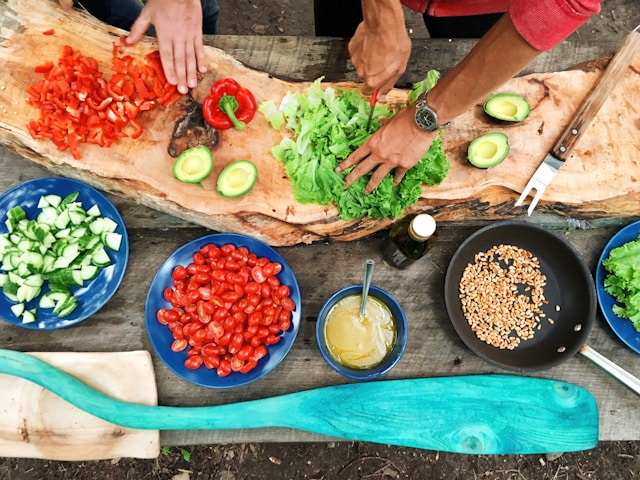
Healthy eating is a priority, especially for growing families and busy students trying to stay energized and focused. But with tight budgets and rising grocery costs, finding affordable fresh produce can feel like a challenge. The good news? You don’t have to compromise on quality to eat well. Here’s how families and students can shop smarter and stretch their grocery dollars.
1. Buy in Season
Seasonal produce is more affordable, fresher, and often tastes better because it hasn’t been transported long distances or kept in cold storage. For families, building meals around seasonal fruits and vegetables can bring variety and excitement to the table. Use seasonal guides (many are free online) to plan weekly menus with the freshest ingredients. For students, seasonal produce can be a game-changer when prepping meals on a tight budget. For instance, apples in the fall or zucchini in the summer are cheap and versatile. Consider freezing extra portions or pre-cutting ingredients for convenience later in the week.
2. Shop at Local Farmers’ Markets
Farmers’ markets aren’t just for hip foodies—they’re often goldmines for families and students seeking quality at a better price. Many markets offer “seconds” (slightly bruised or smaller produce) at a discount, perfect for cooking or smoothies. For families, it’s also a fun weekend outing and a great way to teach kids about where food comes from. Students can benefit from chatting with vendors—some may offer deals to frequent customers or at the end of the day. Many markets even accept SNAP/EBT benefits and offer bonus dollars for fresh produce purchases through food assistance programs.
3. Compare Prices and Stores
Families shopping for multiple mouths need to stretch every dollar, and students often have only limited time and transportation options. Comparing prices between grocery chains, discount stores, and local markets can make a big difference. Some stores mark down produce close to expiration, which can be used quickly or frozen. Use grocery apps like Flipp or Basket to check weekly ads and price-match. Students, especially those living in dorms or with shared kitchens, can benefit from shopping with roommates or splitting bulk buys to save even more. Consider joining store loyalty programs that offer personalized produce discounts.
4. Choose “Ugly” Produce
Imperfect produce doesn’t mean bad produce. Many fruits and vegetables with minor blemishes or odd shapes are still perfectly good to eat—and often sold at a discount. For families, this can be an opportunity to involve kids in a fun “ugly produce” challenge, encouraging them to appreciate food beyond appearances. Services like Misfits Market or Imperfect Foods deliver discounted ugly produce right to your door. For students, this option is both cost-effective and environmentally friendly. You get quality nutrients while helping reduce food waste—a win-win for your wallet and the planet.
5. Buy in Bulk and Preserve
Buying in bulk is especially helpful for families who cook often or pack multiple lunches a day. When favorite produce items are on sale, stock up and freeze extras—berries, spinach, bell peppers, and more can be portioned out and used later. You can also teach kids how to help wash, cut, and store produce, turning food prep into a family activity. Students can use freezer-friendly containers or resealable bags to store chopped produce for smoothies, stir-fries, or meal-prep bowls. If you’re into DIY projects, try drying fruits in the oven or canning simple sauces.
6. Use What You Buy
One of the biggest money-wasters is unused produce going bad in the fridge. Families juggling work, school, and extracurriculars can benefit from meal planning—just a 10-minute plan each week can help ensure all that fresh produce is actually used. Keep quick-cook recipes on hand and batch prep for the week ahead. Students can do a similar version: cook two or three big meals at the start of the week and use leftovers creatively. Store produce properly—leafy greens in airtight containers, herbs in water, onions and potatoes in a cool, dry place—to extend freshness and reduce waste.
Whether you’re feeding a family or navigating student life, eating well on a budget is absolutely possible. With a little planning, smart shopping, and creative cooking, you can enjoy fresh, healthy produce without overspending. Try out a few of these tips next time you shop—you might be surprised at how much you save and how good your meals taste.
Leave a Reply