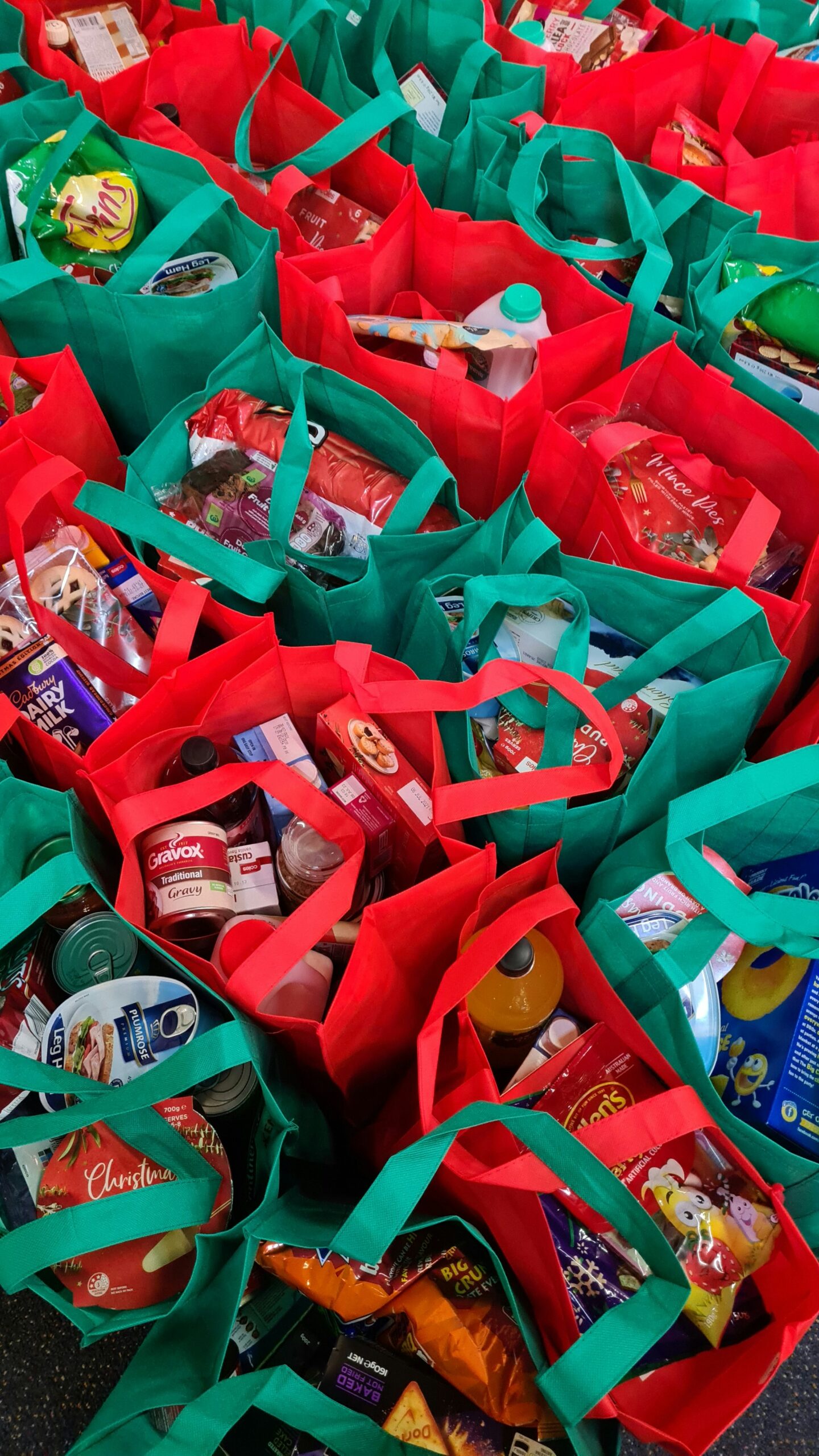
Grocery bills can quickly pile up, whether you’re feeding a household or trying to survive on student loans and part-time wages. Discount stores and bulk shopping are powerful tools for cutting costs—if you know how to use them right. For families trying to stretch their weekly grocery budget or students living on tight funds, mastering these shopping strategies can save time, money, and stress. Here’s how to make the most of discount stores and bulk shopping, without sacrificing quality or sanity.
1. Know Your Stores and What They Do Best
Not all discount or bulk stores are created equal. Each one has its own strengths, and knowing what to buy where can save you a ton. For families, warehouse stores like Costco or Sam’s Club offer great deals on large quantities of everyday items—perfect for school lunches, family dinners, or snacks for growing kids. Discount stores like Aldi, Lidl, or Dollar Tree are ideal for picking up pantry staples, fresh produce, and household essentials on a tight budget. Students should explore smaller discount grocers near campus—they often carry store-brand versions of popular items for a fraction of the price. Also, international or ethnic markets can be hidden gems, offering fresh produce, spices, and grains at much lower prices than major chains. Make a list of stores nearby, compare prices, and note where you can get the best deals on specific items.
2. Buy in Bulk (But Only What You’ll Use)
Buying in bulk is a budget-friendly strategy—but only when it’s done with purpose. Families can benefit by stocking up on non-perishables like rice, pasta, cereal, canned goods, and frozen fruits and vegetables. These items store well, have long shelf lives, and are used frequently in large households. Buying in bulk also means fewer trips to the store, which saves time and reduces impulse buys. Students living with roommates can team up to split large quantities—think 10-pound bags of rice or big boxes of snacks. But bulk buying can backfire if you’re not careful. Avoid perishable items in bulk unless you’re confident you’ll use or preserve them quickly. Don’t let a good deal become a waste pile. Keep track of what you use often, store it properly, and rotate items so nothing expires before you can enjoy it.
3. Embrace Store Brands and Off-Label Finds
Name brands aren’t everything. In fact, many store-brand items are made by the same manufacturers as the big-name products—just without the fancy packaging. Families can save significantly by choosing store brands for cereals, dairy, snacks, and even cleaning supplies. The quality is often the same (or sometimes better), and the price difference adds up week after week. Students on a tight budget will find store brands to be a lifesaver—look for Aldi’s “Simply Nature” line or Costco’s “Kirkland Signature” for reliable quality at unbeatable prices. Don’t be afraid to test off-brand versions of your go-to items—you may never go back. In addition, discount stores often carry closeout or overstock items from name brands at heavily reduced prices. These “off-label” finds change weekly, so keep an eye out for deals and stock up when you find a favourite.
4. Plan Meals Around Deals, Not the Other Way Around
Smart shopping starts before you even leave the house. Families with busy schedules can benefit from meal planning based on what’s on sale or in bulk. Take five minutes to scan store flyers, discount apps, or warehouse promotions and plan meals that use those ingredients. For example, if chicken thighs are on sale in bulk, plan a few dinners around them: roasted chicken, tacos, soup, and sandwiches. This helps avoid waste and keeps meals fresh and varied. Students juggling school, work, and life can use this strategy to batch cook and stretch ingredients—one big bag of potatoes becomes baked fries, mashed sides, and breakfast hash. Buying only what fits your plan also prevents overspending or random impulse buys that go unused. And remember—leftovers are your best friend. Repurpose them creatively to avoid both boredom and food waste.
5. Invest in Storage to Maximize Savings
If you’re shopping in bulk or taking advantage of deep discounts, proper storage is crucial. Families can make huge savings every year by keeping bulk goods fresh and organized. Invest in airtight containers for dry goods like flour, cereal, or pasta, and freezer bags or glass containers for frozen items. Label everything with dates to make sure nothing gets forgotten. Create a mini pantry inventory to track what you have and what you need. For students, maximizing small kitchen space is key. Use stackable containers, under-bed bins for overflow storage, or even share storage space with roommates. Learning basic food preservation—like freezing produce or storing herbs—can extend the life of your grocery haul. A little upfront organization means fewer emergency store runs and way less waste.
6. Stack Savings with Coupons, Apps, and Cashback
Discount and bulk shopping is already cost-effective, but stacking savings can take it to the next level. Families can make use of store loyalty programs, coupon sites, to earn cashback on everyday purchases. Many bulk stores offer in-house promotions, instant coupons, or monthly savings books—don’t skip these! Students, especially, can save extra by signing up for student discount programs or using food-focused cashback apps. Apps can turn receipts into gift cards, which can help with future purchases. And keep your eyes peeled for digital-only discounts, which are becoming more common in both discount chains and warehouse clubs. A little digital diligence can stretch your savings even further.
Mastering the art of discount stores and bulk shopping isn’t just about buying more—it’s about buying smarter. For families, it means having enough on hand to feed everyone without breaking the bank. For students, it’s about stretching every dollar while still eating well and staying sane. With a bit of planning, the right tools, and a savvy approach, you can turn your grocery trips into a budget-friendly success story every time.
Leave a Reply