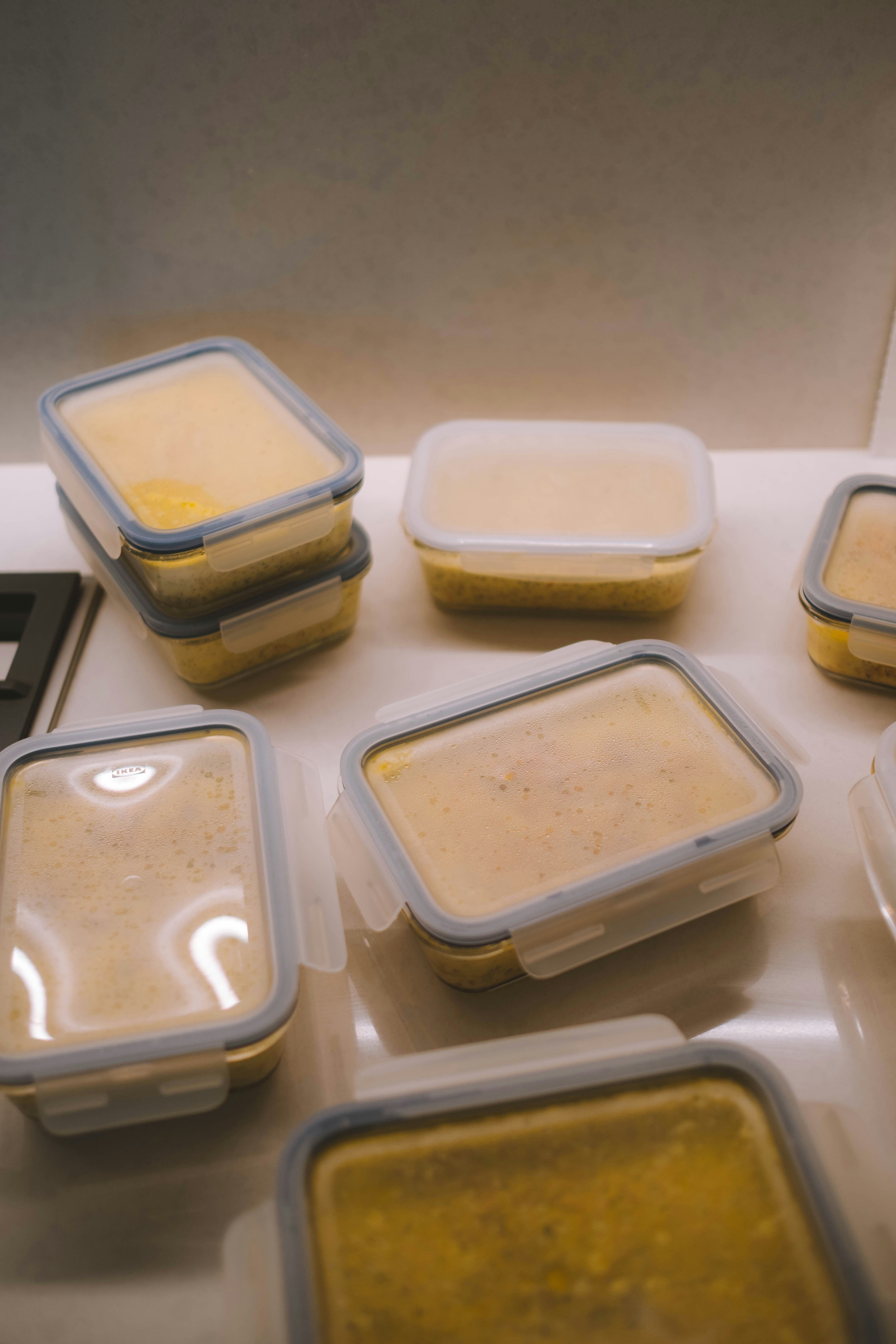
Meal prepping is a great way to save time and ensure you’re eating healthy, but proper storage and reheating are essential to maintain the safety and quality of your meals. Improper storage can lead to foodborne illnesses, while improper reheating can result in soggy or flavorless dishes. In this article, we’ll explore best practices for storing and reheating meal preps safely, as well as tips for freezing meals and understanding food safety guidelines.
Best Practices for Storing Meal Preps
Proper storage starts immediately after meal preparation. The goal is to keep your food fresh, prevent bacterial growth, and maintain its taste and texture. Here are some key storage tips:
- Temperature Control
The most important aspect of food safety is keeping meals at the right temperature. After cooking, make sure to cool your meal preps quickly before storing them. The USDA recommends refrigerating meals within two hours of cooking. For food that will be stored in the fridge, set your refrigerator temperature to 40°F (4°C) or lower to slow the growth of bacteria. If you need to cool food quickly, consider dividing large portions into smaller containers to allow them to cool faster. - Container Types
Investing in high-quality containers is essential for both freshness and safety. Glass containers with airtight lids are ideal as they are non-toxic and do not absorb odors. They also help preserve the flavor and texture of food. BPA-free plastic containers are another option, but be sure to choose ones that are microwave and freezer-safe. Avoid using containers that are not designed for food storage, as they can leach harmful chemicals or cause the food to spoil more quickly. - Proper Portioning
When preparing meals in advance, portion your meals into individual servings. This not only makes reheating easier but also helps you avoid the temptation of eating leftovers that may have been stored too long. Storing individual servings also allows you to quickly grab a meal when you need it without having to thaw or reheat a large batch.
Importance of Labelling and Dating Meals
Labeling and dating your meals is an often overlooked but essential step in meal prep. It helps you track how long your meals have been stored and ensures you’re consuming them before they reach the expiration point. Use a permanent marker to write the date that the meal was prepared on each container. You can also note the contents of the meal on the label, so you know exactly what’s inside, especially if you’ve made multiple dishes.
By keeping track of dates, you’ll know when it’s time to eat or toss a meal to avoid foodborne illness. The USDA recommends consuming refrigerated meal preps within 3-4 days, while frozen meals are good for up to 3 months.
Reheating Tips for Food Safety and Quality
Reheating meal preps is an art, as you want to ensure food safety while also preserving the quality of your dishes. Follow these tips to get the best results:
- Reheat to the Right Temperature
The USDA recommends reheating all leftovers to an internal temperature of 165°F (74°C) to ensure any bacteria are killed. Use a food thermometer to check that the food has reached the appropriate temperature, especially when reheating meat or poultry. - Avoid Reheating Multiple Times
Reheating food multiple times can compromise both safety and flavor. Ideally, you should only reheat a portion of the meal at a time. Once you’ve heated a portion, avoid putting the remaining food back into the fridge if it’s been at room temperature for too long. - Reheat Evenly
When reheating in the microwave, stir the food halfway through the process to ensure it heats evenly. If using the stovetop, use a lower heat to gradually warm the food. Covering the food while reheating helps retain moisture and prevent it from drying out.
Freezing Meals: What Freezes Well and How to Do It
Freezing meals is a great way to extend the shelf life of your meal prep, especially for foods you won’t eat right away. However, not all foods freeze well, so it’s important to know which ingredients freeze best:
- Freezes Well: Cooked meats, stews, soups, casseroles, chili, rice, and grains freeze well. These dishes tend to maintain their texture and flavor after being frozen and reheated.
- Doesn’t Freeze Well: Foods with a high water content, such as salads, cucumbers, or tomatoes, tend to lose their texture after freezing. Dairy-based sauces or dishes with cream or yogurt can separate and become grainy when frozen.
To freeze meals, place them in airtight containers or freezer bags. If using bags, remove as much air as possible to prevent freezer burn. Label the containers with the date and contents, and ensure they’re stored at 0°F (-18°C) or lower. For best results, eat frozen meals within 3 months.
Understanding Expiration Dates and Food Safety Guidelines
Expiration dates are important to follow to ensure food safety. While many prepackaged foods have printed expiration or “use by” dates, homemade meals require more vigilance. In general:
- Refrigerated Meals: Use within 3-4 days of cooking.
- Frozen Meals: Consume within 3 months for the best quality.
- Leftovers: Avoid keeping leftovers for more than a week, even in the fridge, as bacteria can multiply over time, even at cold temperatures.
If in doubt, trust your senses—smell, look, and taste your food (in small amounts) to assess its quality before reheating.
By following these best practices for storing and reheating your meal preps, you can extend the life of your food, reduce food waste, and ensure that your meals are safe to eat. Meal prepping doesn’t just save time; it also helps you enjoy fresh, delicious meals throughout the week with minimal stress.
Leave a Reply