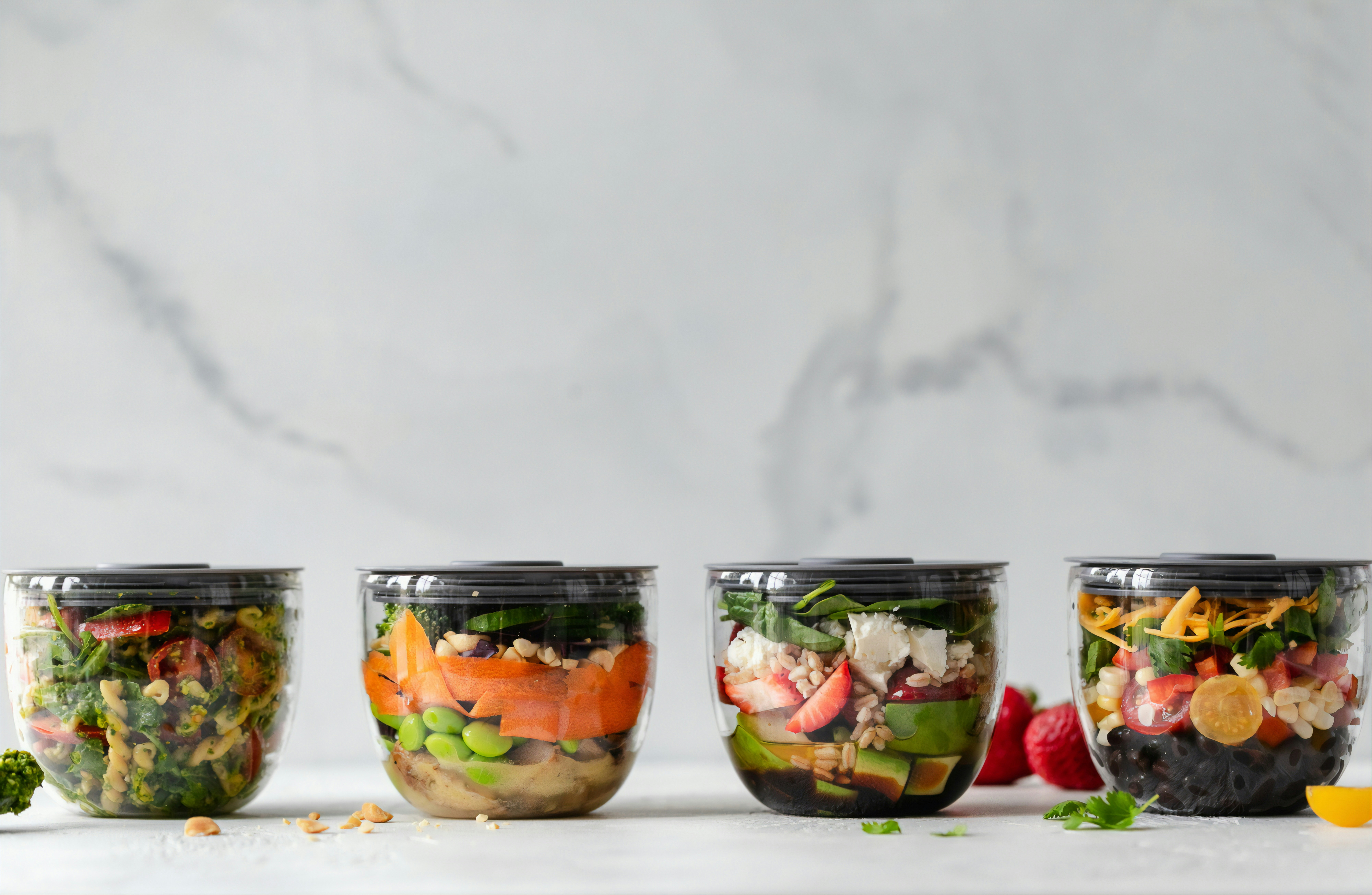
Meal prepping is a powerful strategy that can simplify your cooking routine, save you time during the week, and promote healthier eating habits. By preparing meals in advance, you can ensure that nutritious options are always at your fingertips, making it easier to stick to your dietary goals.
Benefits of Meal Prep
One of the primary benefits of meal prepping is convenience. By dedicating a few hours on the weekend to cooking and organizing meals, you’ll have ready-to-eat options throughout the week. This not only reduces the temptation to grab unhealthy takeout but also helps you avoid the stress of daily cooking.
Additionally, meal prep can save you money. Buying ingredients in bulk and cooking in batches reduces food waste and minimizes the costs associated with last-minute meals. Preparing meals at home also allows you to control portion sizes and ingredients, promoting healthier eating.
Essential Tools
To get started with meal prepping, you’ll need a few essential tools:
- Containers: Invest in a variety of reusable containers with tight-fitting lids. Glass containers are ideal for reheating, while BPA-free plastic options are lightweight and portable.
- Cutting Board and Knives: A good cutting board and sharp knives are crucial for efficient food prep.
- Measuring Cups and Spoons: These tools help ensure portion control and accurate ingredient measurements.
- Cooking Equipment: Depending on your meals, you may need pots, pans, a baking sheet, or even a slow cooker or Instant Pot for batch cooking.
- Labels: Use labels to date your meals and indicate what’s inside, making it easy to grab what you need.
Basic Meal Prep Steps
- Plan Your Meals: Start by choosing recipes that you enjoy and that can be easily reheated. Aim for a balance of protein, carbohydrates, and vegetables.
- Create a Shopping List: Based on your meal plan, list all necessary ingredients and shop accordingly.
- Cook in Batches: Prepare large quantities of your chosen recipes. Cooking grains, proteins, and roasted vegetables in bulk can simplify your meal assembly.
- Assemble Your Meals: Portion out your meals into containers. Consider mixing and matching components for variety throughout the week.
- Store Properly: Place your containers in the fridge or freezer. Meals can typically last 3-4 days in the fridge and up to three months in the freezer.
Tips for Beginners
- Start Small: If you’re new to meal prepping, begin with one or two recipes a week to avoid overwhelm.
- Be Flexible: Feel free to swap ingredients based on your preferences or what you have on hand.
- Keep it Simple: Choose recipes with fewer ingredients and straightforward cooking methods to make the process easier.
With these basics in mind, meal prepping can transform your week, helping you stay organized, save time, and enjoy healthier meals without the daily hassle. Happy prepping!
Leave a Reply